
Are you tired of dealing with a blocked drain? We understand the frustration it can cause. Luckily, we’re here to help you navigate through the do’s and don’ts of fixing a blocked drain. By following these simple guidelines, you’ll be able to tackle the issue effectively and avoid any further complications. So, let’s dive in and get your drains flowing freely again!
DO’s:
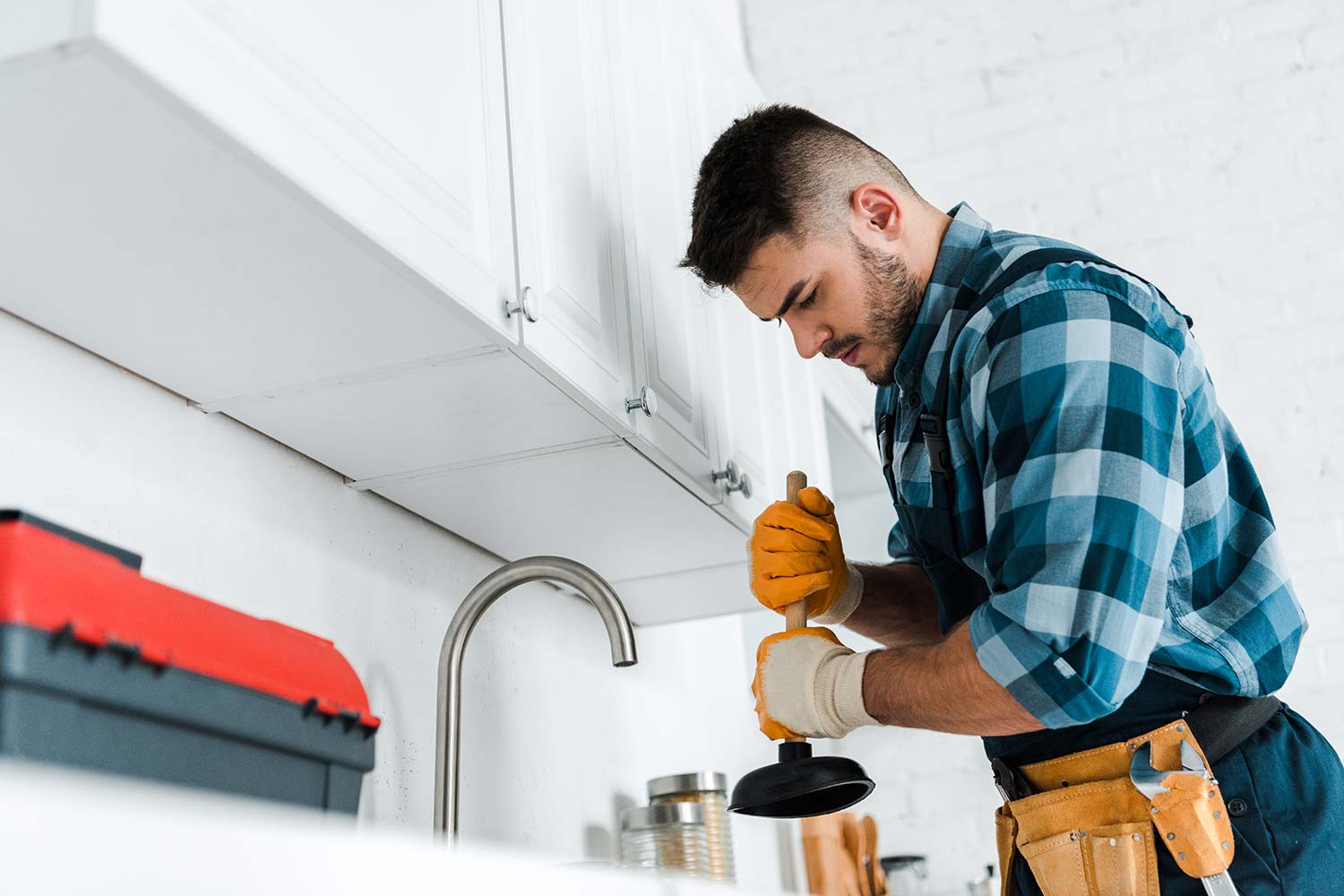
- Use a plunger: When faced with a blocked drain, a plunger can be your best friend. It’s a simple yet effective tool that creates pressure to dislodge any clogs. Make sure to cover the overflow opening (if present) and create a tight seal with the plunger before plunging vigorously. Repeat this process a few times, and you might just witness the magic of a cleared drain.
- Try a drain snake: For more stubborn blockages, a drain snake can come to the rescue. This flexible tool can reach deeper into the drain and break up or remove any obstructions. Insert the snake slowly and rotate it while pushing it forward. Once you feel resistance, twist and pull back to dislodge the clog. Remember to be gentle to avoid damaging the pipes.
- Use natural remedies: If you prefer a more eco-friendly approach, there are several natural remedies you can try. Baking soda and vinegar, for example, can create a chemical reaction that helps break down the blockage. Pour a cup of baking soda followed by a cup of vinegar down the drain, cover it, and let it sit for about 30 minutes. Then, flush it with hot water to see if the clog has cleared.
DON’Ts:
- Use chemical drain cleaners: While it may be tempting to reach for a chemical drain cleaner, it’s best to avoid them. These harsh chemicals can damage your pipes over time and harm the environment. Additionally, they may not be effective on certain types of blockages. It’s better to opt for safer alternatives.
- Overuse the plunger: While plunging is an effective method, it’s important not to overdo it. Excessive force can lead to pipe damage, especially if you have older or fragile pipes. Be patient and persistent, but avoid applying excessive pressure that could cause more harm than good.
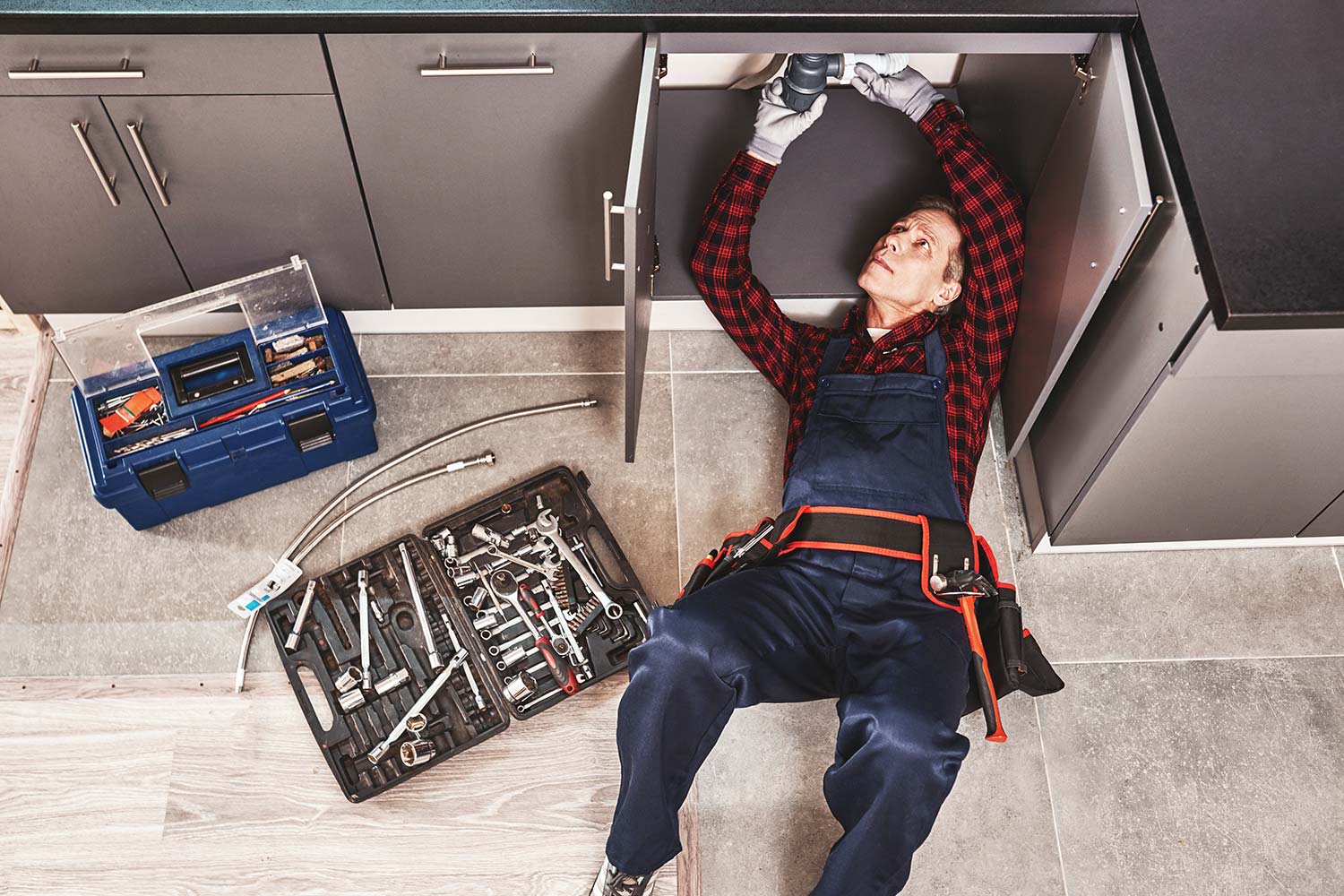
- Ignore recurring blockages: If you find yourself dealing with frequent blockages, it’s crucial not to ignore the issue. Recurring clogs could indicate a more serious underlying problem, such as tree root intrusion or a damaged pipe. In such cases, it’s best to seek professional help to identify and address the root cause.
By following these do’s and don’ts, you’ll be well-equipped to tackle a blocked drain effectively and safely. Remember, prevention is key, so maintaining good drain hygiene and avoiding the introduction of foreign objects can help you avoid future blockages. However, if the problem persists or seems beyond your expertise, don’t hesitate to call a professional plumber who can provide expert assistance.